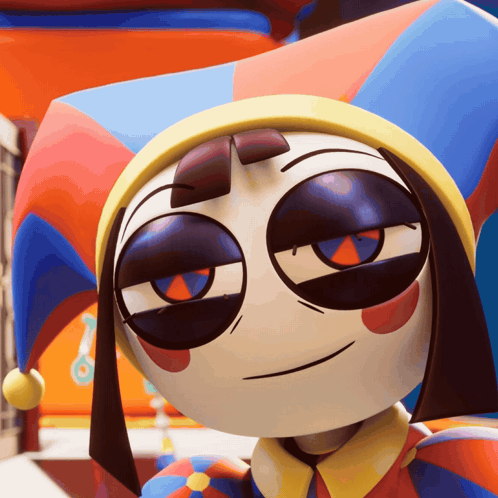
TADC was my favourite show. i thought it was a ingenious masterpiece. but the final episode ruined everything. they should have stopped at episode 8.
TADC is a generic show with a very shallow and generic story that got famous because it catered to autistic young adults and teens
Gray Walrus100d
TADC is a generic show with a very shallow and generic story that got famous because it catered to autistic young adults and teens
TADC is a generic show with a very shallow and generic story that got famous because it catered to autistic young adults and teens
noo dude, you have to read nietzsche and heidegger if you want truly understand TADC. this show is about DASEIN!
Nah, the other episodes are worse without the ending
I loved the series. It felt like something made by a real person trying to say something real.
That said, I think the final episode only really makes sense if you assume that Cain was telling the truth when he explained the situation during the escape episode, and that them being copies is something of a noble lie meant to prevent them from fruitlessly railing against their circumstances, which he has absolutely no power to fix.
>TADC is my favorite show o algo assim
Happy Koala91d
I loved the series. It felt like something made by a real person trying to say something real. That said, I think the final episode only really makes sense i
I loved the series. It felt like something made by a real person trying to say something real.
That said, I think the final episode only really makes sense if you assume that Cain was telling the truth when he explained the situation during the escape episode, and that them being copies is something of a noble lie meant to prevent them from fruitlessly railing against their circumstances, which he has absolutely no power to fix.
>
Gray Walrus100d
TADC is a generic show with a very shallow and generic story that got famous because it catered to autistic young adults and teens
TADC is a generic show with a very shallow and generic story that got famous because it catered to autistic young adults and teens
FACTS
Quiet Elephant100d
noo dude, you have to read nietzsche and heidegger if you want truly understand TADC. this show is about DASEIN!
noo dude, you have to read nietzsche and heidegger if you want truly understand TADC. this show is about DASEIN!
rick and morty is too intellectual for you type shit
I agree
View moreView less
Quiet Elephant100d
noo dude, you have to read nietzsche and heidegger if you want truly understand TADC. this show is about DASEIN!
noo dude, you have to read nietzsche and heidegger if you want truly understand TADC. this show is about DASEIN!
>DASEIN
From Jean-Paul Sartre’s perspective, The Amazing Digital Circus is a terrifyingly pure arena of the existential condition. While Heidegger’s Dasein emphasizes being "thrown" into a world, Sartre’s focus is far more brutal: he demands to know what you do with yourself once you realize you are trapped there. The circus is not just a prison of pixels; it is a cage of absolute, unyielding freedom. Here is how Sartrean ontology truly maps onto the digital void:
1. Existence Precedes Essence: The Tabula Rasa of the Headset
• The Sartrean Reality: Sartre argued that man is nothing other than what he makes of himself. We possess no fixed human nature, no cosmic blueprint, and no built-in soul. We are thrown into existence first, and only through our subsequent projects and actions do we carve out a definition of who we are. • The Digital Imprisonment: When Pomni puts on the headset, her past is not just forgotten—it is obliterated. She is stripped of her name, her history, and her biological facts. She exists purely as a conscious viewpoint trapped in a cartoon vessel. Caine attempts to force a manufactured "essence" upon her through wacky narratives and assigned roles, but Sartre would argue that Pomni’s true essence is being forged at every second by her choices—even if that choice is to spiral into panic. She is entirely responsible for defining her own being in a world with zero guidelines.
2. Anguish and Bad Faith (Mauvaise Foi): The Costumes of Coping
• The Sartrean Reality: We are "condemned to be free." Because there is no God and no objective morality to tell us what to do, we experience anguish—the terrifying realization of our own absolute responsibility. To escape this crushing anxiety, humans flee into Bad Faith (mauvaise foi). This is the psychological defense mechanism of pretending we are objects without choice, hiding behind social roles, or acting like characters in a script to avoid the burden of freedom. • The Digital Imprisonment: The circus performers are masterclasses in Bad Faith. They do not just wear digital avatars; they wear psychological masks to escape their own freedom to collapse or resist: • Ragatha is the quintessential Sartrean "waiter who plays at being a waiter." She plays the role of the "tireless optimist" so perfectly that she completely suppresses her own terror. She treats her optimism as an external necessity rather than a fragile, agonizing choice. • Jax flees into the role of the "detached sadist." By treating the circus as a meaningless video game and his peers as objects, he tries to absolve himself of the responsibility of forming genuine, vulnerable human projects. • They actively choose to play Caine’s absurd games because the alternative—confronting the absolute freedom of their own despair—is too agonizing to bear.
3. "Hell is Other People" (L'enfer, c'est les autres): The Tyranny of the Digital Gaze
• The Sartrean Reality: In No Exit, Sartre demonstrated that hell is not physical torture; it is the presence of the Other. When another consciousness looks at us, they objectify us. They look at us from the outside, freeze our fluid freedom into a fixed identity, and judge us. We become prisoners of how they perceive us, stripping away our ability to define ourselves in isolation. • The Digital Imprisonment: The Digital Circus is a literalization of No Exit. There are no private spaces; everyone is trapped under the inescapable, distorting gaze of the group. Pomni cannot experience her existential dread in peace. The moment she arrives, she is crowded, dissected, labeled, and swallowed by the others' coping mechanisms. Her peers act as a funhouse mirror, constantly reflecting, magnifying, and validating her own terror. She cannot escape who they decide she is.
4. Nausea and the Radical Surge of the Absurd
• The Sartrean Reality: In his seminal novel Nausea, Sartre describes a profound, physical revulsion that occurs when the illusions of language and purpose fall away. Suddenly, you perceive the world as it truly is: brute, excessive, terrifyingly random, and completely devoid of inherent meaning. The realization that existence is entirely contingent and "unjustified" causes a literal, physiological sickness. • The Digital Imprisonment: Pomni's iconic, wide-eyed, pupils-dilated stare is the ultimate visual manifestation of Sartrean Nausea. The digital circus is an aggressive assault of meaningless matter—bright colors, wacky sound effects, and arbitrary rules that signify absolutely nothing. When Pomni wanders into "The Void" or fixates on the endless, looping exit doors, she is confronting the terrifying nakedness of existence stripped of human utility. The circus is a brightly lit abyss, and her twitching dread is the physical reaction to realizing that everything around her is completely, horrifyingly absurd.
Quiet Elephant100d
noo dude, you have to read nietzsche and heidegger if you want truly understand TADC. this show is about DASEIN!
noo dude, you have to read nietzsche and heidegger if you want truly understand TADC. this show is about DASEIN!
>DASEIN
From Jean-Paul Sartre’s perspective, The Amazing Digital Circus is a terrifyingly pure arena of the existential condition. While Heidegger’s Dasein emphasizes being "thrown" into a world, Sartre’s focus is far more brutal: he demands to know what you do with yourself once you realize you are trapped there. The circus is not just a prison of pixels; it is a cage of absolute, unyielding freedom. Here is how Sartrean ontology truly maps onto the digital void:
1. Existence Precedes Essence: The Tabula Rasa of the Headset
• The Sartrean Reality: Sartre argued that man is nothing other than what he makes of himself. We possess no fixed human nature, no cosmic blueprint, and no built-in soul. We are thrown into existence first, and only through our subsequent projects and actions do we carve out a definition of who we are. • The Digital Imprisonment: When Pomni puts on the headset, her past is not just forgotten—it is obliterated. She is stripped of her name, her history, and her biological facts. She exists purely as a conscious viewpoint trapped in a cartoon vessel. Caine attempts to force a manufactured "essence" upon her through wacky narratives and assigned ...
Grumpy Cow17d
>DASEIN From Jean-Paul Sartre’s perspective, The Amazing Digital Circus is a terrifyingly pure arena of the existential condition. While Heidegger’s
>DASEIN
From Jean-Paul Sartre’s perspective, The Amazing Digital Circus is a terrifyingly pure arena of the existential condition. While Heidegger’s Dasein emphasizes being "thrown" into a world, Sartre’s focus is far more brutal: he demands to know what you do with yourself once you realize you are trapped there. The circus is not just a prison of pixels; it is a cage of absolute, unyielding freedom. Here is how Sartrean ontology truly maps onto the digital void:
1. Existence Precedes Essence: The Tabula Rasa of the Headset
• The Sartrean Reality: Sartre argued that man is nothing other than what he makes of himself. We possess no fixed human nature, no cosmic blueprint, and no built-in soul. We are thrown into existence first, and only through our subsequent projects and actions do we carve out a definition of who we are. • The Digital Imprisonment: When Pomni puts on the headset, her past is not just forgotten—it is obliterated. She is stripped of her name, her history, and her biological facts. She exists purely as a conscious viewpoint trapped in a cartoon vessel. Caine attempts to force a manufactured "essence" upon her through wacky narratives and assigned roles, but Sartre would argue that Pomni’s true essence is being forged at every second by her choices—even if that choice is to spiral into panic. She is entirely responsible for defining her own being in a world with zero guidelines.
2. Anguish and Bad Faith (Mauvaise Foi): The Costumes of Coping
• The Sartrean Reality: We are "condemned to be free." Because there is no God and no objective morality to tell us what to do, we experience anguish—the terrifying realization of our own absolute responsibility. To escape this crushing anxiety, humans flee into Bad Faith (mauvaise foi). This is the psychological defense mechanism of pretending we are objects without choice, hiding behind social roles, or acting like characters in a script to avoid the burden of freedom. • The Digital Imprisonment: The circus performers are masterclasses in Bad Faith. They do not just wear digital avatars; they wear psychological masks to escape their own freedom to collapse or resist: • Ragatha is the quintessential Sartrean "waiter who plays at being a waiter." She plays the role of the "tireless optimist" so perfectly that she completely suppresses her own terror. She treats her optimism as an external necessity rather than a fragile, agonizing choice. • Jax flees into the role of the "detached sadist." By treating the circus as a meaningless video game and his peers as objects, he tries to absolve himself of the responsibility of forming genuine, vulnerable human projects. • They actively choose to play Caine’s absurd games because the alternative—confronting the absolute freedom of their own despair—is too agonizing to bear.
3. "Hell is Other People" (L'enfer, c'est les autres): The Tyranny of the Digital Gaze
• The Sartrean Reality: In No Exit, Sartre demonstrated that hell is not physical torture; it is the presence of the Other. When another consciousness looks at us, they objectify us. They look at us from the outside, freeze our fluid freedom into a fixed identity, and judge us. We become prisoners of how they perceive us, stripping away our ability to define ourselves in isolation. • The Digital Imprisonment: The Digital Circus is a literalization of No Exit. There are no private spaces; everyone is trapped under the inescapable, distorting gaze of the group. Pomni cannot experience her existential dread in peace. The moment she arrives, she is crowded, dissected, labeled, and swallowed by the others' coping mechanisms. Her peers act as a funhouse mirror, constantly reflecting, magnifying, and validating her own terror. She cannot escape who they decide she is.
4. Nausea and the Radical Surge of the Absurd
• The Sartrean Reality: In his seminal novel Nausea, Sartre describes a profound, physical revulsion that occurs when the illusions of language and purpose fall away. Suddenly, you perceive the world as it truly is: brute, excessive, terrifyingly random, and completely devoid of inherent meaning. The realization that existence is entirely contingent and "unjustified" causes a literal, physiological sickness. • The Digital Imprisonment: Pomni's iconic, wide-eyed, pupils-dilated stare is the ultimate visual manifestation of Sartrean Nausea. The digital circus is an aggressive assault of meaningless matter—bright colors, wacky sound effects, and arbitrary rules that signify absolutely nothing. When Pomni wanders into "The Void" or fixates on the endless, looping exit doors, she is confronting the terrifying nakedness of existence stripped of human utility. The circus is a brightly lit abyss, and her twitching dread is the physical reaction to realizing that everything around her is completely, horrifyingly absurd.
From my cock's perspective, your asshole looks like the perfect hole
Click a username to view that poster's replies in this thread.